


The world may be shrinking, but it’s growing at the same time. As we quickly approach the three billion Internet user mark, the opportunities to connect and share creative and design inspiration with different cultures and mindsets are multiplying.
There are big players, and global studios are opening more international offices, but they may not be as interesting or inspiring as the lesser known and possibly more regionally rooted creatives.
What a can of worms that is (and enough material to fill a book, if it hasn’t already been written). Why would you want to weigh your design work down with cultural trappings? Mostly, you don’t, right? The purpose of design is to create an experience that suits the client and the market, and should not be laced with California mission/surfboard culture (hello from Los Angeles), or Nordic geometrics, or Middle Eastern ornament, unless it’s appropriate to the project. Still, our differences are a big part of what makes the world go round. And no matter how cosmopolitan we may think we are, we bring ourselves, our values and our roots with us to everything we create, even if only in the subtlest of ways. It’s part of the surprising twist a talented designer can bring to the most tired trend.
For designers, it can be a risk to stay with regional styles in a global market. While there are advantages to emphasizing local flavor, many clients feel pressured to compete with western and cosmopolitan trends in order to appeal to the most customers possible. Choosing homogenous styles is an easy way to appear sophisticated. Meaning, while unique regional design styles can be very sophisticated, it may take more work to ensure that they reach across cultural boundaries.
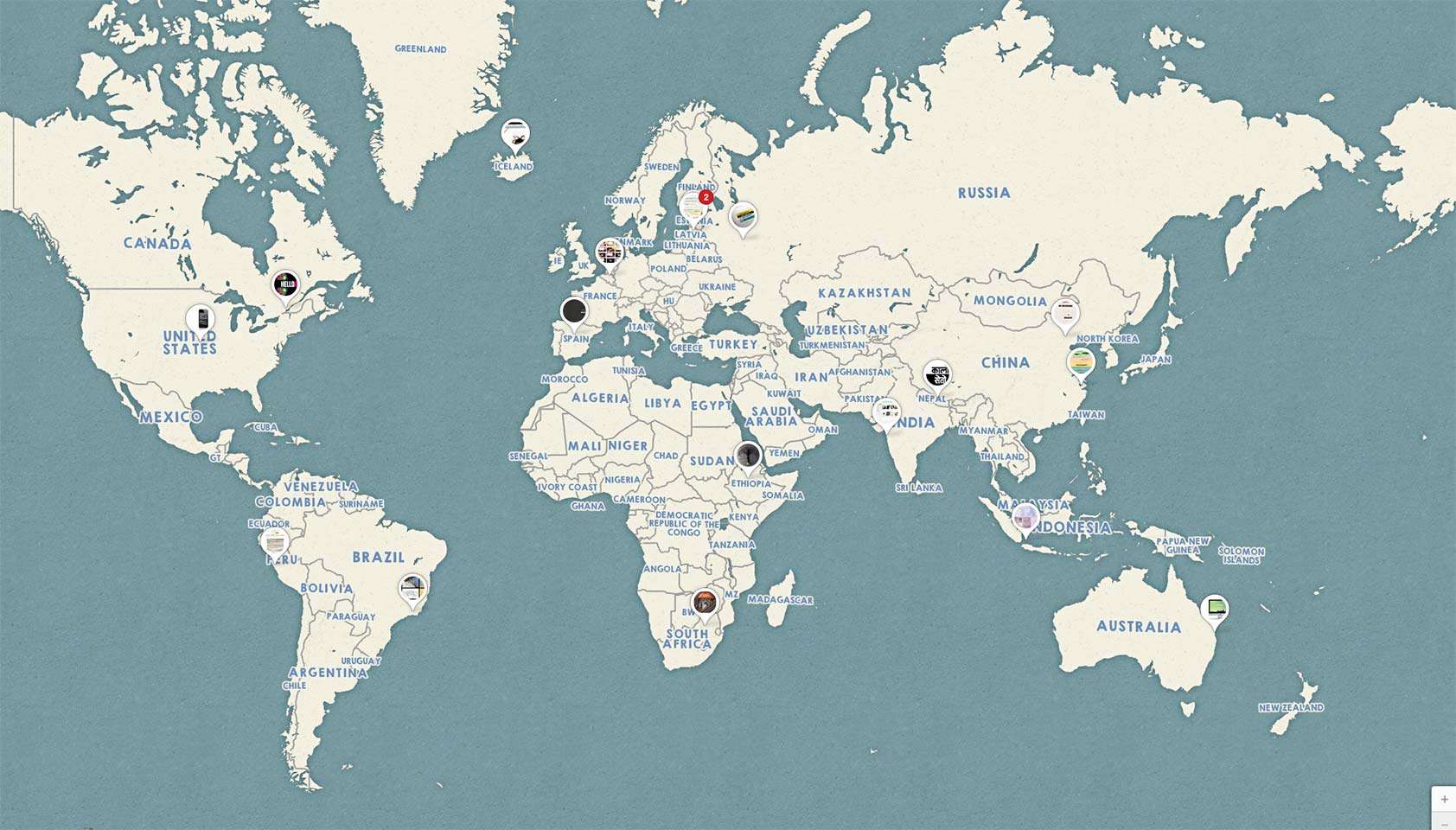
For the sake of sanity and time, this is by no means an exhaustive list. Instead, it’s an attempt to draw a map of interesting work being done around the world with the broadest of strokes. The designers named below are working in web design, identity design, illustration and type design.
Researching for this post was an odd mix of exhilarating and stressful. It was exhilarating to land in a region and discover exciting new work; incredibly stressful (and increasingly toward the end of the research) to choose the next region. For every location chosen, hundreds would be ignored.
It may be impossible to put together a thoughtful collection of global creatives without riddling it with apologies. Besides the inevitability that tons of great work will be left out, any time we study people from different cultures to our own, the most valuable thing we can probably learn is the nature of our own personal prejudices and cultural filters.
I tried to stay away from:
- international agencies;
- my personal stereotypes about different regions;
- homogenous global trends;
- trend-dominated design.
I tried to seek out:
- newer, less known designers;
- regional or unique design styles;
- web design in particular, over general design disciplines, with a few interesting exceptions.